
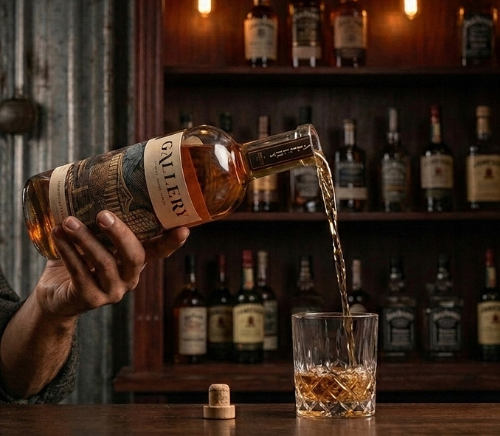
Why Is Limited Release Bourbon Expensive? What Collectors Are Paying For
Why is limited release bourbon expensive, even when it looks like just another bottle on the shelf? The short answer is scarcity, craftsmanship, and demand all working together. Add in packaging, marketing, and a passionate collector base, and prices climb even further. In this guide, we’ll break down exactly what drives up the price, why collectors keep chasing these bottles, and whether the cost is actually justified.
What Makes Limited Release Bourbon Different?
Unlike standard shelf bourbon, a limited release is produced in small, specific batches. Distilleries often use unique barrels, special aging periods, or one-time recipes for these bottles. For instance, a distillery might finish a batch in rare port or sherry casks just once. As a result, each release becomes something that can’t simply be reordered once it sells out.
This distinction matters because it changes how the bourbon is priced from the very start. Standard bourbon is made to be consistent and widely available. Limited releases, however, are built around exclusivity from day one.
Why Is Limited Release Bourbon Expensive?
At the core, pricing comes down to simple supply and demand economics. However, several specific factors combine to push these prices well above standard bottles.
Scarcity and Whiskey Rarity
Whiskey rarity plays one of the biggest roles in pricing. When only a few hundred, or even a few dozen, bottles exist, demand quickly outpaces supply. Because of this, prices climb fast once a release becomes hard to find. In addition, secondary markets often push prices even higher once retail stock disappears.
Production Costs Behind Craft Whiskey Drops
Craft whiskey drops often involve higher production costs than standard releases. For example, smaller batch sizes mean distillers can’t benefit from the cost savings of large-scale production. Similarly, premium barrels, longer aging times, and hands-on quality control all add expense. Even small details, like hand-bottling or manually applying wax seals, take extra labor that larger operations can usually automate. Therefore, part of the higher price simply reflects the real cost of making it.
Packaging, Presentation, and Marketing Costs
Beyond what’s inside the bottle, packaging plays a bigger role than most people expect. Limited releases often come in custom boxes, numbered labels, or hand-signed certificates of authenticity. These details add real production cost, since custom packaging can’t be mass-produced cheaply.
Marketing also factors into the final price, even if it’s less obvious to the average buyer. Distilleries often invest in launch events, media coverage, and collector outreach for major releases. Because these campaigns build anticipation and drive demand, they indirectly influence how much a bottle ultimately sells for.
The Role of Age, Barrel Selection, and Quality
Aging plays a major part in why these bottles carry premium price tags. Older bourbon takes up valuable barrel space and storage time for years, sometimes decades. Meanwhile, evaporation, known as the angel’s share, reduces the final yield significantly over time.
Barrel selection adds another layer of cost and complexity. Distillers often hand-select specific barrels based on flavor, char level, or aging conditions. Because this selection process takes real time and expertise, it directly affects the final price of the bottle. Some distilleries even involve master blenders who taste dozens of barrels before choosing the handful that make the final cut.
Collectible Bourbon: Why Bottles Become Investments
Collectible bourbon has grown into a serious hobby, and in some cases, an investment strategy. Unopened, well-stored bottles can increase in value significantly over time. For instance, discontinued or highly limited releases sometimes resell for many times their original price.
This collector demand adds another layer on top of production costs. Consequently, pricing isn’t just about what it costs to make the bourbon. It also reflects what collectors are willing to pay to own something rare. Some serious collectors even track individual barrel numbers or release years the way others might track rare coins or vintage watches.
Signature Series Whiskey: What Sets These Releases Apart
A signature series whiskey typically represents a distillery’s most ambitious or experimental work. These releases often showcase unique mash bills, rare barrel finishes, or milestone anniversaries. Because of this, they carry both craftsmanship value and brand prestige.
Distilleries also use signature series releases to demonstrate what they’re truly capable of. In turn, these bottles often become benchmarks that collectors and enthusiasts measure future releases against.
How the Secondary Market Reshapes Pricing
Once a bottle sells out at retail, the secondary market often takes over entirely. Resale platforms and private sales can push prices far beyond what the distillery originally charged. This happens because retail pricing reflects production cost, while resale pricing reflects pure demand.
For example, a bottle that retailed for a modest price might resell for several times that amount within months. Consequently, many buyers now factor in potential resale value when deciding whether to purchase a limited release at all. This shift has changed how some collectors approach buying, treating certain bottles more like assets than simple purchases.
How American Bourbon Collectors Drive Demand and Price
American bourbon collectors play a significant role in shaping the market for limited releases. Social media, online forums, and collector communities spread word quickly when a new drop is announced. As a result, demand can spike almost overnight, especially for well-known distilleries.
This collector-driven demand often creates long waitlists or lottery-style purchasing systems. Furthermore, once bottles hit the secondary market, prices can climb well beyond the original retail cost. This cycle reinforces the perception that limited releases are worth paying more for.
Is Limited Release Bourbon Worth the Price?
Whether it’s worth the cost depends largely on what you value as a buyer. For some, the higher price reflects genuinely superior craftsmanship and flavor. For others, part of the value comes from rarity and the experience of owning something unique.
However, not every expensive bottle automatically tastes better than a standard release. Therefore, it’s worth tasting or researching a release before assuming price always equals quality. Reading reviews from trusted tasters can help set realistic expectations before you commit to a purchase. Ultimately, value is often personal, shaped by both taste and how much scarcity matters to you.
How to Spot a Genuine Limited Release
With rising demand, counterfeit or misrepresented bottles have become a real concern for buyers. First, always purchase from reputable retailers or directly from the distillery when possible. Next, check batch numbers, labels, and packaging details against official distillery information.
Additionally, be cautious of deals that seem unusually low for a well-known limited release. Finally, ask sellers for proof of authenticity if you’re buying through secondary marketplaces. If something feels off, such as inconsistent labeling or a seller unwilling to answer questions, treat that as a warning sign. Taking these precautions helps protect your investment and ensures you’re getting the real thing.
Tips for Collectors: Buying, Storing, and Reselling
Collecting limited release bourbon successfully takes more than just buying every new drop. First, store bottles upright, away from direct sunlight and temperature swings, to preserve quality. Next, keep original packaging and documentation, since this often affects resale value significantly.
If you’re considering reselling, research current market prices before setting your own. Additionally, timing matters, since prices can shift as new releases enter the market. Building relationships with local retailers can also help you access future craft whiskey drops before they sell out. Many collectors find that patience and good relationships matter just as much as luck when it comes to landing sought-after bottles.
Final Thoughts
So, why is limited release bourbon expensive at the end of the day? It comes down to scarcity, craftsmanship, and the passionate community of American bourbon collectors willing to pay for something rare. Whether you’re drawn to signature series whiskey for the flavor or the exclusivity, understanding what drives these prices helps you buy smarter. The next time a new release catches your eye, you’ll know exactly what you’re really paying for. Contact us today to learn more about limited release bourbon, signature series whiskey, and other unique offerings for bourbon enthusiasts.
Frequently Asked Questions
1. Why is limited release bourbon expensive compared to standard bottles?
Scarcity, higher production costs, aging time, and collector demand all combine to push prices well above standard releases.
2. Does a higher price always mean better quality?
Not necessarily. Price often reflects rarity and demand as much as taste, so quality should still be evaluated independently.
3. What makes a bottle count as collectible bourbon?
Limited availability, unique production details, and strong collector interest typically make a bottle collectible over time.
4. How can I find craft whiskey drops before they sell out?
Following distilleries directly, joining mailing lists, and building relationships with local retailers can help you access releases early.
5. Is it safe to buy limited release bourbon on the secondary market?
It can be, but always verify authenticity and buy from reputable sellers to avoid counterfeit or misrepresented bottles.
6. Do limited releases always increase in value over time?
Not always. Some releases hold or increase in value, while others may not, depending on demand and long-term reputation.
- « Previous
- 1
- 2