
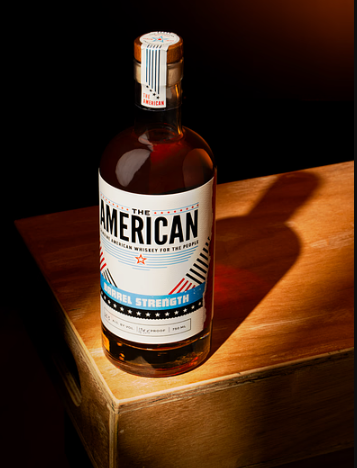
What Does Barrel Strength Bourbon Really Mean?
What is barrel strength bourbon? It is bourbon that is bottled at, or close to, the strength it has when it comes out of the barrel. The whiskey is often not cut with much water before it reaches the bottle.
As a result, barrel strength bourbon can have a rich taste and a high alcohol level. It may taste stronger than standard bourbon. It can also show more of the flavors picked up during time in the barrel.
For many bourbon fans, this makes barrel strength whiskey worth trying. However, the term can be hard to understand at first.
So, what does barrel strength really mean? How is it different from regular bourbon? And why does the proof change during aging?
This guide explains the basics in simple terms.
What Is Barrel Strength Bourbon?
Barrel strength bourbon is bourbon bottled at a strength that is close to its natural barrel strength.
After bourbon is made, it spends time in new oak barrels. During this time, the whiskey gains color, taste, and aroma from the wood.
The whiskey also changes as it ages. Some alcohol and water can leave the barrel through the wood. This is often called the “angel’s share.”
When the aging time ends, the bourbon can be taken from the barrel and bottled.
Many standard bourbons are mixed with water before bottling. This lowers the alcohol level and gives the drink a set proof.
Barrel strength bourbon is different. The maker may add little or no water before bottling.
Therefore, the final proof can be much higher.
For example, a standard bourbon may be bottled at 80 or 90 proof. A barrel strength bourbon may be well above that level.
The exact proof can vary from one bottle to another.
Why Does Barrel Strength Bourbon Have a High Proof?
The proof of bourbon tells you how much alcohol it contains.
In the United States, proof is twice the alcohol by volume, or ABV.
For example, an 80-proof bourbon has 40% ABV. A 100-proof bourbon has 50% ABV.
Barrel strength bourbon often has a higher proof because less water is added before bottling.
The whiskey comes from the barrel with its own natural strength. The maker then bottles it with little change to that strength.
As a result, the drink can have a bold feel.
A high proof does not always mean better bourbon. It simply means there is more alcohol in the drink.
Taste still depends on many other things. These include the grain mix, barrel type, age, storage, and blending.
Barrel Strength Bourbon vs Regular Bourbon
The main difference is the amount of water added before bottling.
Regular bourbon is often reduced to a set proof. The maker adds water to reach that proof.
Barrel strength bourbon stays much closer to its strength in the barrel.
This can change the way the bourbon tastes.
A regular bourbon may feel softer and easier to drink. Barrel strength bourbon may feel warmer and stronger.
It can also have more bold notes from the barrel.
For some drinkers, this makes barrel strength bourbon more fun to explore. For others, a lower proof may be more enjoyable.
There is no right choice for everyone.
The best option depends on your taste and how you plan to enjoy the bourbon.
What Is Barrel Proof Whiskey?
Barrel proof whiskey is a term that is closely linked to barrel strength bourbon.
Both terms point to whiskey that is bottled close to the strength found in the barrel.
However, “barrel proof” has a more specific use in the whiskey world.
The term means that the whiskey is bottled at a proof that is close to its proof in the barrel. The maker does not reduce the proof as much as with a normal bottle.
Barrel proof whiskey can come in many styles. It does not always mean bourbon.
Bourbon is one type of American whiskey. Other whiskey styles have their own rules.
So, barrel proof whiskey is a wider term. Barrel strength bourbon is more specific.
In simple terms, barrel strength bourbon is a type of high-proof whiskey that keeps much of its natural barrel strength.
How Aging Whiskey Barrels Change Bourbon
Aging whiskey barrels play a key role in bourbon.
Bourbon must age in new, charred oak barrels. The wood helps shape the final taste.
As bourbon sits in the barrel, it moves into the wood and back out again. This helps the whiskey take on flavor from the oak.
The barrel can add notes such as:
- Vanilla
- Caramel
- Oak
- Spice
- Toast
- Brown sugar
The longer bourbon ages, the more time it has to interact with the wood.
However, older does not always mean better.
Too much time in a barrel can give bourbon a strong wood taste. A good bourbon needs balance between the spirit and the oak.
Temperature also matters.
Bourbon warehouses can get very warm and very cold. These changes affect how the whiskey moves through the wood.
Therefore, two barrels can age in different ways, even when they hold the same bourbon.
Does Barrel Strength Mean Older Bourbon?
No.
Barrel strength tells you about proof. It does not tell you the age of the bourbon.
A young bourbon can have a high barrel proof. An older bourbon can also have a high barrel proof.
Age and proof are two different things.
For example, one bourbon may spend six years in a barrel and come out at a high proof. Another may spend ten years in a barrel and come out at a lower proof.
The final strength depends on many factors.
These include the starting proof, barrel location, weather, and water loss.
So, never use proof alone to judge the age of bourbon.
Why Does Barrel Strength Bourbon Taste Strong?
The high alcohol level is one reason.
Alcohol can carry many flavor and aroma notes. At a high proof, these notes may feel stronger.
You may notice a warm or sharp feeling when you drink high proof bourbon.
However, the taste is not only about alcohol.
The barrel can add deep notes of oak, spice, vanilla, and caramel. The grain used to make the bourbon also affects its taste.
As a result, each barrel strength bourbon can taste different.
Some may taste sweet and rich. Others may taste dry, spicy, or full of oak.
That is part of the appeal.
The same high proof can feel very different from one bottle to another.
How to Drink High Proof Bourbon
High proof bourbon can taste strong when you first try it.
For that reason, many people choose to take their time.
You can start with a small amount. Let it rest for a short time before tasting it.
You can also add a small amount of water.
Water can lower the strength and may help open up some aromas. It can also make the bourbon feel softer.
There is no rule that says barrel strength bourbon must be drunk neat.
Some people like it neat. Others prefer a few drops of water.
The key is to drink responsibly and choose the style that works for you.
Because high proof bourbon contains more alcohol, small servings can still have a strong effect.
What Makes Barrel Strength Bourbon Different?
Several things make barrel strength bourbon stand out.
First, it keeps more of its natural barrel strength.
Second, it can offer a bold taste.
Third, each batch may have its own proof.
The proof can change because each barrel can age in a slightly different way.
Barrel location can also play a role. Some parts of a warehouse may be warmer than others.
This can affect how the bourbon interacts with the wood.
As a result, barrel strength bourbon can feel less uniform than standard bourbon.
That difference can make each release more interesting.
Is High Proof Bourbon Better?
Not always.
A high proof bourbon is not automatically better than a lower proof bourbon.
Proof is only one part of the story.
A good bourbon should have a taste that you enjoy. It should also have a balance between alcohol, wood, sweetness, spice, and other flavors.
Some people enjoy premium bourbon strength because they like bold drinks.
Others may prefer a softer bourbon with less heat.
Your own taste matters most.
If you are new to high proof bourbon, start slowly. A lower proof drink may help you learn the basic flavors first.
Then, you can try a stronger bourbon when you feel ready.
How American Bourbon Whiskey Gets Its Flavor
American bourbon whiskey gets much of its taste from its grain and barrel.
Bourbon must use at least 51% corn in its grain mix. The rest can include grains such as rye, wheat, and malted barley.
Each grain can affect the taste.
Corn can give bourbon a sweet base. Rye can add spice. Wheat can create a softer feel.
The barrel adds another layer.
New charred oak can bring notes of vanilla, caramel, oak, and spice.
The time spent in the barrel also matters.
Finally, the proof can affect how all these flavors reach your palate.
That is why two bourbons can have very different tastes.
What Should You Look for on a Bottle?
If you want to learn more about barrel strength bourbon, check the bottle label.
Look for the proof and ABV.
The proof tells you the strength of the drink. The ABV gives the same information in another form.
You can also look for an age statement.
Remember, however, that no age statement does not mean poor quality.
You can also check if the label says “barrel proof” or “barrel strength.”
These terms can tell you that the bourbon was bottled close to its barrel strength.
If the bottle has a batch number, you may also find that useful.
Different batches can have different proofs and taste notes.
Common Mistakes When Buying Barrel Strength Bourbon
One common mistake is thinking that higher proof means better quality.
It does not.
Another mistake is thinking that older bourbon is always better.
Again, this is not always true.
Some people also expect every barrel strength bourbon to taste the same.
That can lead to disappointment.
Each bourbon has its own mix of grain, barrel time, proof, and storage conditions.
Instead, focus on what you enjoy.
Read the label. Check the proof. Learn about the age if it is listed. Then think about the taste you want.
This simple approach can help you make a better choice.
Is Barrel Strength Bourbon Good for Beginners?
It can be, but it may feel strong at first.
If you are new to bourbon, start with a lower proof. This can help you learn the basic taste of bourbon.
Once you feel more comfortable, you can try a higher proof bottle.
If you try barrel strength bourbon, take small sips. Give yourself time to notice the smell and taste.
You can also add a little water if the drink feels too strong.
Most of all, do not rush.
Bourbon is best enjoyed at a pace that feels right for you.
Final Thoughts
Barrel strength bourbon is bourbon bottled close to its natural barrel proof. It often has a bold taste and a high alcohol level.
The key point is simple. High proof does not always mean better. Age does not always mean better either.
Instead, look at the full picture. Consider the grain, barrel, age, proof, and taste.
If you want to learn more about spirits and related topics, Contact us.
Enjoy bourbon with care, take your time, and always drink responsibly.
Frequently Asked Questions
1. What is barrel strength bourbon?
Barrel strength bourbon is bourbon bottled close to the strength it had in the barrel. The maker adds little or no water before bottling. Therefore, it often has a higher proof than standard bourbon.
2. Is barrel strength bourbon stronger than regular bourbon?
Usually, yes. Barrel strength bourbon often has a higher proof because less water is added before bottling. However, the exact proof can vary from one bottle or batch to another.
3. Is barrel proof whiskey the same as barrel strength bourbon?
They are very similar terms. Barrel proof whiskey is a wider term that can apply to different types of whiskey. Barrel strength bourbon refers specifically to bourbon bottled close to its barrel strength.
4. Does high proof bourbon mean it is older?
No. Proof and age are different things. A young bourbon can have a high proof, while an older bourbon can have a lower proof.
5. Can you add water to barrel strength bourbon?
Yes. Adding a small amount of water can lower the alcohol strength. It may also make some aromas and flavors easier to notice.
6. Is barrel strength bourbon better than regular bourbon?
Not always. Barrel strength bourbon can offer a bold taste, but that does not make it better for everyone. The best bourbon is the one that suits your own taste.