
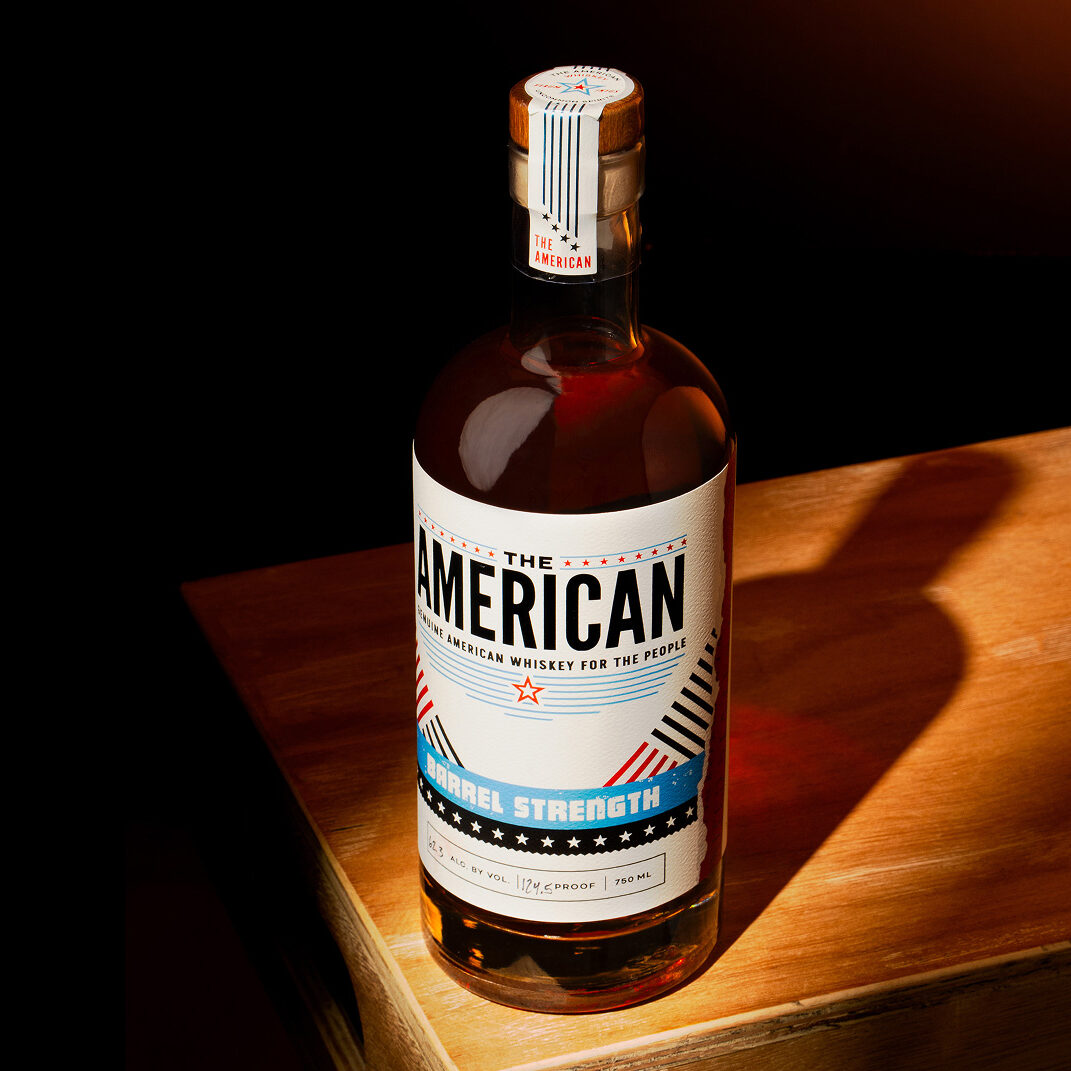
What Does Barrel Strength Bourbon Really Mean?
If you have seen the words “barrel strength,” “cask strength,” or “barrel proof” on a whiskey label and wondered what separates it from every other bottle on the shelf, you are asking exactly the right question. Barrel strength bourbon is not just a higher proof spirit. It is the most direct, unfiltered expression of what a barrel actually produces. No water added. No proof adjusted. What came out of the wood goes straight into your glass. At Uncommon Spirits, our barrel strength expression was built around that very principle, and understanding it will permanently change the way you shop for premium bourbon.
What Is Barrel Strength Bourbon? The Core Definition
Barrel strength bourbon, also called barrel proof whiskey or cask strength whiskey, is an American bourbon whiskey that is bottled directly from the aging barrel without any water dilution after maturation. Every other step of production follows standard bourbon rules. The difference is entirely in what happens at the end.
Most commercially produced bourbons are diluted with distilled water before bottling to bring the proof down to a consistent, predictable level, usually somewhere between 80 and 90 proof. This makes production scalable and gives every bottle a uniform alcohol content regardless of which barrel it came from.
Barrel strength bourbon skips that step entirely. The whiskey is pulled from the barrel at whatever proof it has naturally reached during aging and bottled exactly as it is. That is why the proof on a barrel strength label often reads as a range, such as 115 to 130 proof, rather than a fixed number. Every single batch is different because every barrel is different.
Explore The American Barrel Strength, our limited-release Gold Medal expression bottled at 115 to 130 proof with nothing held back.
How Does Whiskey Gain Proof Inside the Barrel?
To understand what makes barrel proof whiskey special, you first need to understand what happens to spirit during the time it spends in aging whiskey barrels. This is where the real transformation takes place, and it is a process driven entirely by chemistry, wood, and climate.
When new spirit enters a charred oak barrel, it typically goes in at no more than 125 proof, as required by federal bourbon law. From that point forward, the barrel takes over. Here is what happens during the aging process:
- Evaporation – A portion of the liquid inside the barrel escapes through the wood as vapor every year. This loss is called the “angel’s share.” In hot, dry climates like Arizona, evaporation is significantly faster than in more temperate regions.
- Wood interaction – The charred interior of the barrel acts as a flavor filter. As the spirit expands into the wood during warm months and contracts back out during cooler periods, it extracts compounds including vanillin, tannins, lignin, and caramel sugars that give bourbon its signature character.
- Proof fluctuation – Depending on humidity and temperature, a barrel can either gain or lose proof over time. In dry climates like Phoenix, water tends to evaporate faster than alcohol, which means the spirit can actually increase in proof as it ages. In more humid environments, the opposite can occur.
- Concentration of flavor – As volume decreases due to evaporation, the remaining liquid becomes more concentrated. Flavor compounds become more intense. The result is a spirit with more complexity per ounce than a standard-diluted bottling.
By the time a barrel is ready to bottle, the liquid inside has been fundamentally shaped by all of these forces. Barrel strength bourbon preserves that result exactly as it stands.
Read about the desert advantage and why Phoenix’s extreme climate produces whiskey with accelerated depth and character.
Barrel Proof vs High Proof: What Is the Difference?
These two terms are often used interchangeably, but they are not exactly the same thing, and knowing the difference will help you read labels more accurately.
| Term | Definition | Proof Range | Water Added? |
|---|---|---|---|
| Barrel Strength / Barrel Proof | Bottled at natural barrel exit proof, undiluted | Typically 110 to 140 proof | No |
| High Proof Bourbon | Any bourbon bottled above 90 proof | 91 proof and above | Sometimes |
| Cask Strength | Same as barrel proof, commonly used for Scotch whisky | Varies by barrel | No |
| Standard Bourbon | Diluted to a consistent target proof before bottling | Usually 80 to 90 proof | Yes |
| Bottled in Bond | Specific legal standard requiring exactly 100 proof | 100 proof | Yes, to reach 100 |
The key distinction is intentionality and process. Barrel proof whiskey is undiluted by design. A high proof bourbon may have simply been diluted to a higher-than-average target rather than left at its natural strength. Both can be excellent. But barrel strength carries a specific promise: what you taste is exactly what the barrel produced.
See how The American compares to our barrel strength release as two expressions of the same commitment to quality.
Why Do Serious Whiskey Buyers Prefer Barrel Strength?
For buyers who are genuinely interested in what American bourbon whiskey can do at its most honest and expressive, barrel strength bottlings offer several things a standard release cannot.
Transparency of the barrel itself. When no water is added, there is nowhere to hide. The quality of the grain selection, the caliber of the barrel, the skill of the aging process, and the character of the climate all come through with full clarity. A barrel strength whiskey is an unfiltered editorial on every decision made during production.
Greater flavor complexity. Higher proof spirits carry more dissolved flavor compounds. Because ethanol is a more effective solvent than water, it pulls more flavor from the wood and grain during aging. That means barrel proof whiskey tends to deliver more layered, nuanced tasting notes than a diluted counterpart from the same distillery.
The ability to add your own water. This is one of the most underrated advantages of barrel strength bourbon. Because nothing has been adjusted for you, you hold full control. Adding a few drops of water to a high proof bourbon opens up the aroma dramatically, releasing volatile compounds that were locked at full proof. Many serious whiskey drinkers prefer to start neat, take a few sips, then slowly add water to find their ideal expression of the same bottle.
Batch variation as a feature. Each limited batch of barrel strength bourbon will taste slightly different from the previous one because each set of barrels produces a unique result. For collectors and enthusiasts, that variation is not an inconsistency to be avoided. It is the point.
Browse our full product lineup to find the expression that matches your palate and your occasion.
How Arizona’s Climate Shapes Barrel Strength Bourbon
The environment where a bourbon ages is not a footnote in the production story. In a barrel strength bottling, it is arguably the central chapter. Because nothing is adjusted after the barrel, the climate’s influence on the spirit is preserved completely and delivered directly to you.
Phoenix, Arizona presents conditions that are unlike any traditional whiskey-aging region in the country. Here is what the desert does to aging whiskey barrels:
- Extreme temperature swings – Phoenix regularly sees summer temperatures above 110 degrees Fahrenheit and winter nights that drop dramatically. These swings cause the oak staves to expand and contract aggressively, driving spirit deep into the wood and pulling it back out repeatedly. This cycle extracts flavor far faster than mild climates allow.
- Low humidity – Arizona’s dry air accelerates water evaporation from the barrel more than alcohol evaporation, which means proof tends to rise over time. A barrel that entered at 125 proof may exit significantly higher, producing a naturally concentrated, intensely flavored barrel strength spirit.
- Faster effective aging – What might take six to eight years in Kentucky can happen with comparable depth in a fraction of that time in Arizona’s heat. The result is not a shortcut. It is a different path to complexity, one driven by environmental intensity rather than extended calendar time.
- Unique flavor development – The rapid interaction between spirit and charred oak in desert heat tends to produce pronounced notes of dried fruit, baking spice, and deep caramel alongside the vanilla and oak that bourbon is known for.
These conditions make Arizona-produced barrel strength bourbon a genuinely distinct product, not a regional novelty.
Learn what makes Arizona bourbon different from Kentucky bourbon and why geography matters more than most buyers realize.
How to Taste and Serve Barrel Strength Bourbon
Barrel proof whiskey rewards a little patience and intention. Because the proof is higher, the approach to tasting it well is slightly different from how you might approach a standard 80 proof bottle.
Follow this simple tasting sequence to get the most from a barrel strength pour:
- Start neat – Pour a small amount and let it sit in the glass for two to three minutes. This allows volatile alcohol compounds to dissipate slightly and lets the aroma open up before your first sip.
- Nose before you taste – Bring the glass to your nose and breathe through a slightly open mouth rather than inhaling directly. At high proof, breathing straight through the nose can be overwhelming and masks the subtler aromatic notes underneath.
- Take a small first sip – Let it coat the palate and rest for a moment before swallowing. Pay attention to texture, sweetness, spice, and the finish length.
- Add a few drops of water – Use a small pipette or the end of a clean straw to introduce two to four drops of water. Swirl gently and nose again. You will often notice entirely new aromas emerge. Taste again and compare.
- Find your proof – There is no correct amount of water to add. The goal is to find the level that opens up the most flavor for your specific palate. Some drinkers prefer near full strength. Others find their ideal expression at a few drops below barrel proof.
A quality glassware choice also matters. A Glencairn or tulip-shaped glass concentrates aromas and allows you to nose the spirit properly at high proof.
Contact our team to arrange a tasting event in Phoenix and experience barrel strength bourbon the way it was meant to be poured.
What to Look for When Buying Barrel Strength Bourbon
Not every bottle labeled “barrel strength” or “cask strength” is created equal. Here is what informed buyers should check before making a purchase:
- Stated proof or proof range – A legitimate barrel strength bourbon will list its actual proof on the label, often as a range such as 115 to 130 proof. Be cautious of vague language without a specific number.
- Batch or barrel number – Limited barrel strength releases are typically numbered by batch or individual barrel. This signals genuine small-batch production and allows you to track variation across releases.
- No added coloring or flavoring declaration – By bourbon law, this is always true. But for barrel strength bottlings, distilleries that care about transparency will often make this explicit.
- Distillery location – For buyers in Arizona, knowing whether the whiskey was distilled locally versus sourced and labeled by a non-distiller producer (NDP) is meaningful. Look for “distilled by” language on the label.
- Award recognition – Competition medals from respected organizations like the New York International Spirits Competition or the San Francisco World Spirits Competition provide third-party validation of quality.
Explore our Signature Series if you are interested in selecting your own private barrel with full customization options for your brand or event.
The Uncommon Spirits Approach to Barrel Strength
At Uncommon Spirits, The American Barrel Strength was built on a simple conviction: if the barrel did its job, there is nothing left to adjust. The spirit goes in, the desert does its work, and what comes out is bottled exactly as it stands.
The American Barrel Strength is a limited-release expression that runs between 115 and 130 proof depending on the batch. It carries a tasting profile of cherry, vanilla frosting, toffee, and apricot on the nose, with vanilla, cacao, caramel, nectarine, and Fuji apple on the palate. The finish is long and lingering with oak, honey, baking spice, and white pepper. It earned a Gold Medal at the 2025 New York International Spirits Competition.
Every bottle also supports Veterans and Active Duty Military Families, because at Uncommon Spirits the commitment to quality extends to the people who make everything possible.
Visit our About page to learn more about who we are, what we stand for, and the principles that guide every batch we produce.
Conclusion: Barrel Strength Is Bourbon With Nothing to Hide
Barrel strength bourbon is the most honest form of American bourbon whiskey you can buy. It preserves every decision made during production without adjustment, dilution, or correction. The grain bill, the barrel quality, the aging environment, and the distiller’s craft all arrive in your glass exactly as they happened. For whiskey buyers who want to taste what a barrel truly produced, barrel proof is the only category that delivers that experience.
In Phoenix, where desert heat and dramatic temperature swings accelerate aging and concentrate flavor inside every barrel, the barrel strength format is not just a product category. It is a statement about what this region is capable of producing. Uncommon Spirits exists to prove that every batch at a time.
Ready to experience it for yourself? Order barrel strength whiskey and find out what happens when nothing is held back.
Have questions or want to talk through your next bottle? Contact us and let’s start the conversation.
Frequently Asked Questions
Q1. What is barrel strength bourbon?
Barrel strength bourbon is bottled directly from the aging barrel without water dilution, preserving the spirit’s natural proof and full flavor.
Q2. Is barrel proof whiskey the same as cask strength?
Yes. Both terms mean the same thing: the whiskey was not diluted with water before bottling and is released at its natural barrel proof.
Q3. Why is barrel strength bourbon higher in proof?
During aging, water can evaporate faster than alcohol, especially in dry climates, which causes the proof inside the barrel to rise naturally over time.
Q4. Can I add water to barrel strength bourbon?
Yes and many serious whiskey drinkers recommend it. Adding a few drops opens up aroma and softens the heat without sacrificing complexity or flavor.
Q5. How strong is barrel strength bourbon typically?
Most barrel strength bourbons fall between 110 and 140 proof. The exact number varies by batch because every barrel produces a slightly different result.